
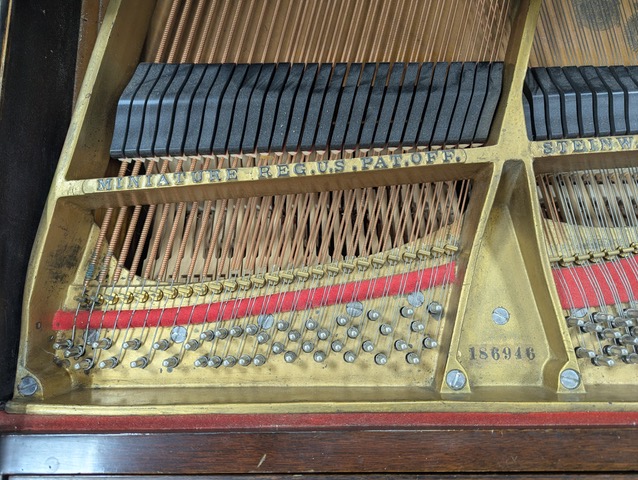
A recent local news story brought attention to dozens of pianos that had been sitting in storage for years. While most situations are not that extreme, it highlights an important question for piano owners: what happens to a piano when it’s kept in storage for an extended period of time?
Unlike a piano that simply goes unused in a home, a piano in storage is often exposed to changing temperatures, humidity levels, and long periods without maintenance. Over time, those conditions can affect how the instrument looks, sounds, and plays.
What Happens to a Piano in Storage
A piano is made of wood, felt, metal, and thousands of moving parts. When it sits in storage, especially without climate control, those materials respond to the surrounding environment.
Common effects include: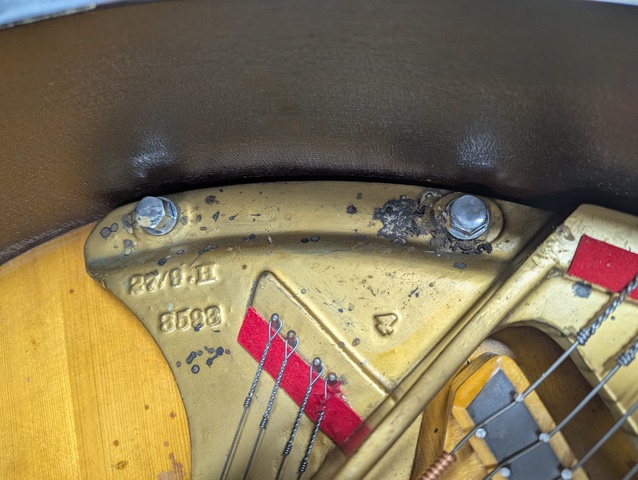
- Loss of tuning stability
String tension gradually drops, and the piano can fall significantly out of tune. In many cases, it will require more than a standard tuning to bring it back. - Wood movement
Changes in humidity can cause the soundboard and other wooden components to expand and contract, affecting both tone and structure. - Humidity damage
Extended exposure to high or low humidity can cause parts in the piano to break. High humidity can lead to swollen or expanded hammers, glue joints failing, as well as mildew and mold. Low humidity can cause parts to crack and warp. - Changes in touch and response
The action, which controls how the keys and hammers move, can become uneven or sluggish after long periods of inactivity. - Rust or corrosion
In damp environments, strings and metal parts may begin to corrode, which can affect both tone and reliability. - Pest exposure
Storage environments can expose a piano to mice or insects. These pests can damage felt, internal components, and in some cases wiring in player systems.
A piano that has been in storage is not just out of tune. Its overall performance and reliability can be affected in several ways.
What Affects the Condition
Not every stored piano will experience the same level of change. The outcome depends on a few key factors: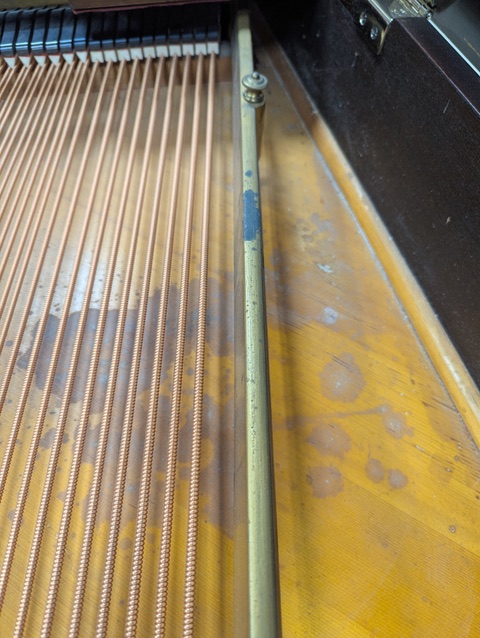
- Climate control
Pianos stored in stable environments typically hold up much better than those in garages, basements, or non-regulated storage units. In Wisconsin, seasonal swings between humid summers and dry winters can put additional stress on a piano over time. - Length of time
The longer a piano remains in storage, the more these effects can build over time. - Quality of the instrument
Higher-quality pianos are often built with more durable materials and may respond better to service and restoration. Entry-level instruments may be more limited in how well they recover. - Handling and storage conditions
How the piano was moved, positioned, and stored can also affect its internal alignment and long-term condition.
Can a Piano Be Brought Back to Playability?
In many cases, yes.
A piano that has been in storage can often be returned to reliable playing condition with the right service. This may include:
- A pitch raise followed by tuning
- Regulation to restore proper key and action response
- Repairs or part replacement as needed
- Cleaning and inspection of internal components
In some cases, bringing a piano back to standard pitch may need to be done in stages over multiple visits to avoid unnecessary stress on the piano.
The exact process depends on the condition of the piano and how it was stored.
When Restoration May Not Make Sense
There are situations where restoring a piano may not be the most practical option.
This can include:
- Lower-value instruments where the cost of repair exceeds the value of the piano
- Severe environmental damage, such as mold, rust, or warping
- Structural issues that affect tuning stability or sound
- Extended exposure to poor storage conditions over many years
A professional evaluation can help clarify what is possible and what makes the most sense moving forward.
What to Do If You Have a Piano in Storage
If you are getting a piano back after time in storage, the next step is understanding its condition before putting it back into regular use.
- Start with a professional evaluation
This helps identify what the piano needs before any adjustments are made. - Plan for more than a basic tuning
Many pianos require additional work, such as a pitch raise or regulation, to perform properly again. - Ease back into regular use
Once serviced, giving the piano time to settle back into daily use helps it respond more consistently.
What to Do if You Need to Store a Piano
If your home or venue won’t be able to hold your piano for some time, proper storage can make a significant difference in how well it holds up.
- Consider keeping it in a home, if possible
For short-term situations, placing the piano in a trusted home environment can help avoid the risks that come with storage facilities. A stable, lived-in space typically offers more consistent conditions. - Use a climate-controlled storage facility
If storage is necessary, choose a facility that regulates both temperature and humidity. In Wisconsin, seasonal swings can put additional stress on a piano if conditions are not controlled. - Store the piano in the correct position
Grand pianos should be stored on their feet, not on their side. Proper positioning helps protect the instrument’s internal structure. - Allow airflow around the piano
Avoid wrapping the piano tightly in plastic or heavy materials. Air circulation helps reduce the risk of mold and moisture-related damage.
When to Call a Professional
If your piano has been in storage or is about to go into storage, a professional evaluation can help you understand the best next steps.
An experienced technician can assess the piano’s condition, identify any damage, and recommend the right approach to restore or protect it.
Hulbert Piano focuses on traditional acoustic pianos, providing tuning, repair, and restoration services based on the condition of each instrument. Whether you are bringing a piano back into use or preparing it for storage, having the right guidance early can help protect your investment.
Categories
Latest Posts

Sep. 01, 2026
Back to School: Is Your Child Ready for Piano Lessons?

Jul. 21, 2026
Bringing Your Family Closer Together with Music

Jun. 29, 2026
From Duke to Trace Ellington: Satin Jazz Celebrates Milwaukee’s Musical Legacy
May. 08, 2026
What Happens to a Piano in Storage Over Time?
May. 14, 2025
What are common piano myths?
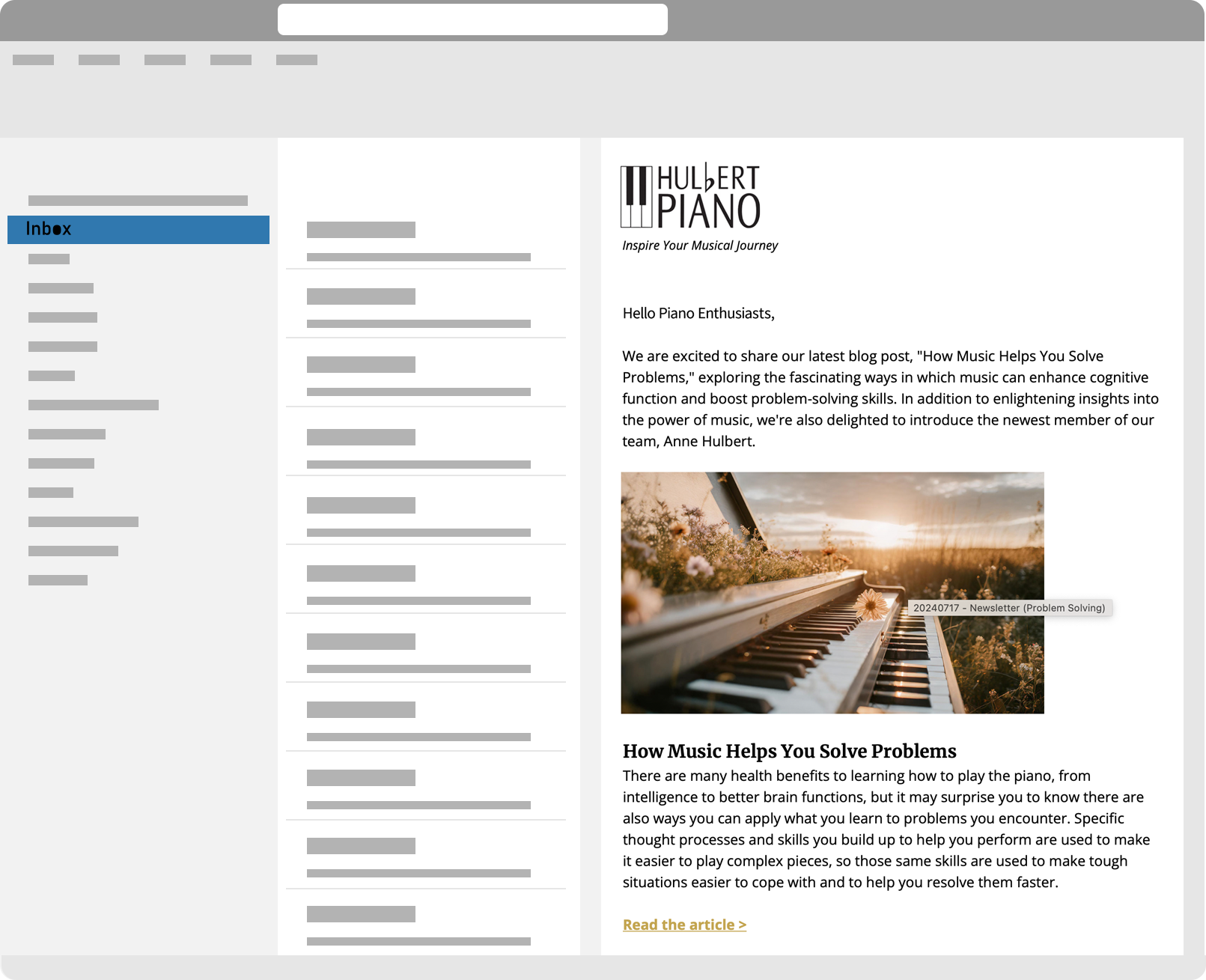
Stay in the Loop
Join 3,000+ piano players and music enthusiasts who receive our monthly newsletter for piano-related articles and tips & tidbits.