
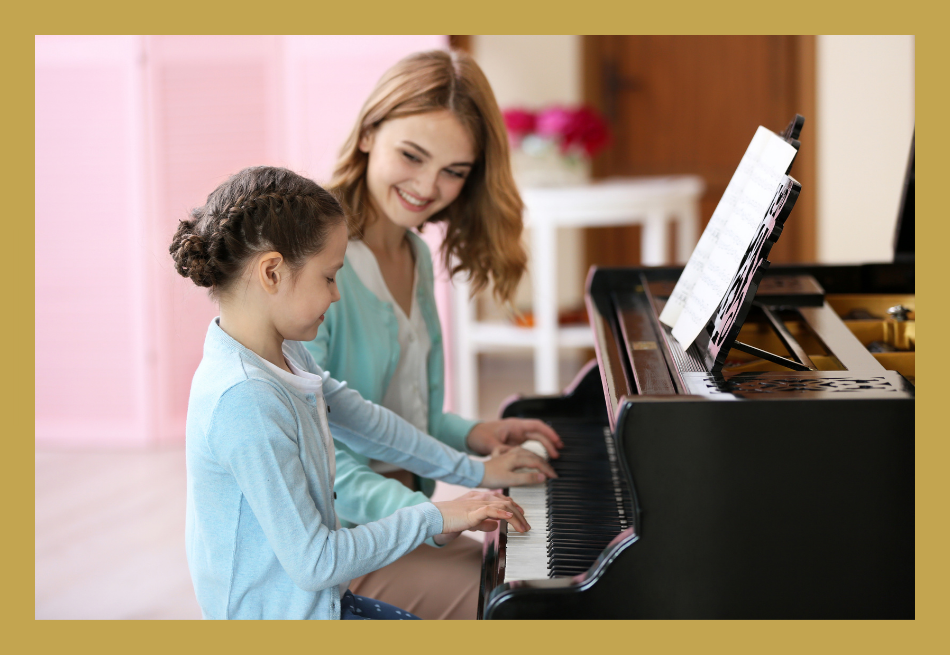
The television hums in the background while a parent answers work emails from the couch. A teenager scrolls through short videos with one earbud still in. Another family member flips between social media, sports highlights, and text messages while sitting at the kitchen counter. Everyone is home for the evening. Everyone is technically together. At the same time, everyone’s attention is somewhere else entirely, spread across different digital worlds while still occupying the same physical space.
Entertainment used to be shared more naturally because there were no individualized digital worlds competing for attention every second of the day. Families spent more of their free time participating in activities together because there was no endless personalized stream waiting in everyone’s pocket. Today, algorithms build separate entertainment ecosystems for every person in the household. One family can sit in the same room while mentally existing in completely different places and connecting to people online but not with each other.
An Ohio State University review examining more than 1,000 communication studies found that digital interaction helps people stay connected, but it does not fully replace face-to-face interaction, physical closeness, shared attention, spontaneous interaction, or emotional fulfillment.
In 2023, the U.S. Surgeon General declared loneliness a public health epidemic. CivicScience data collected in 2025 found that 57 percent of Gen Z adults report feeling lonely, while more than half of Americans consider themselves addicted to digital devices. The same data found that 57 percent of Americans believe technology has increased loneliness overall.
Many parents respond to this problem by thinking their families simply need to talk more. However, families may connect more naturally through a shared activity than through forced discussion. Music therapists and psychologists studying emotional regulation have found that music creates a safer space for emotional expression, especially for children and teenagers who struggle to communicate emotions directly through conversation alone.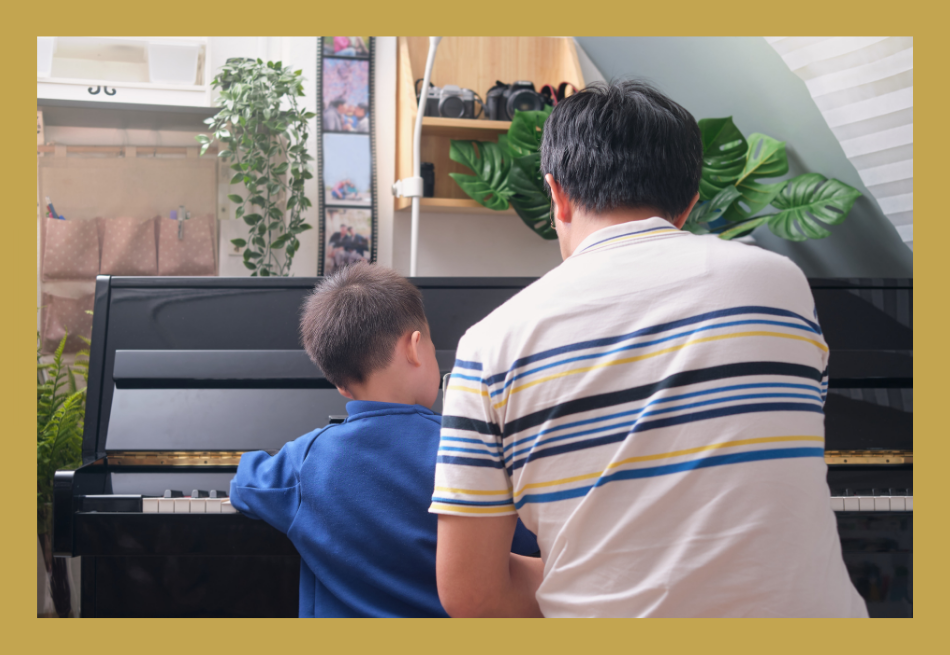
Playing the piano creates one structured way to bring people back into the same physical and emotional experience together. It creates physical closeness, shared attention, emotional responsiveness, and genuine interaction between people occupying the same room together.
That sounds meaningful in theory. In practice, most families would meet it with immediate resistance.
Children raised inside digital environments built around speed, stimulation, and instant reward do not naturally want to sit down and practice piano after dinner. Parents already mentally exhausted from work do not want another nightly battle. Teenagers would rather return to phones, games, friends, or social media than struggle through scales or a duet with a sibling. Suggesting family music time feels awkward. Forcing it often creates frustration quickly enough that families abandon the idea and everyone returns to separate devices and separate worlds.
Resistance does not mean families stop trying. It means families must push through the uncomfortable beginning long enough for the routine to become familiar.
University College London habit formation studies found that meaningful habits form through sustained repetition over time rather than motivation or sudden enthusiasm. One widely cited study found that habits take an average of 66 days to become automatic, with more complex routines often taking much longer.
Establishing the habit of playing the piano works best when families structure the routine realistically instead of waiting for spontaneous motivation.
For many households, this starts by making time for piano when the family is already together. Practice begins thirty minutes after dinner every Tuesday and Thursday evening. Phones stay in another room until the session ends. A child practices independently for the first portion of the session before a parent joins for the final ten minutes. The parent participates by listening, singing along, counting rhythm aloud, or learning a simple accompaniment beside the child.
The first weeks of family music routines are not about enthusiasm, talent, or creating perfect bonding moments. The goal is repeatedly bringing people into the same shared physical experience long enough for participation to stop feeling like an interruption.
Sustained repetition slowly transforms routine into ritual.
Family psychology studies from Brigham Young University and the University of Rochester describe rituals as repeated experiences carrying emotional meaning beyond the activity itself. A teenager who complained through the first several weeks gradually starts staying after the scheduled time ends. Playing the piano becomes recognizable shared time intentionally created for one another.
The emotional impact of those rituals often lasts far longer than the routines themselves.
Brigham Young University ritual studies describe repeated shared experiences as emotional imprints replayed in memory years later. Long after scales and lesson books disappear, many people still remember hearing piano music after dinner, practicing holiday songs beside relatives, or sitting shoulder-to-shoulder with someone else at the same keyboard.
Emotional closeness inside families grows through recurring moments of shared presence intentionally built into ordinary life and repeated long enough to become part of the household’s rhythm. Music strengthens those connections because it creates emotional attentiveness alongside physical presence.
Bringing your family closer together through music happens slowly through repeated participation, shared attention, and time intentionally spent in the same physical and emotional space. Starting may feel frustrating. The first weeks may feel forced. Over time, though, repetition creates familiarity. Familiarity becomes routine. Routine gradually becomes part of the rhythm of family life itself.
Categories
Latest Posts
Sep. 01, 2026
Back to School: Is Your Child Ready for Piano Lessons?
Jul. 21, 2026
Bringing Your Family Closer Together with Music
Jun. 29, 2026
From Duke to Trace Ellington: Satin Jazz Celebrates Milwaukee’s Musical Legacy
May. 08, 2026
What Happens to a Piano in Storage Over Time?
May. 14, 2025
What are common piano myths?
Stay in the Loop
Join 3,000+ piano players and music enthusiasts who receive our monthly newsletter for piano-related articles and tips & tidbits.